There is a reason to pay attention to your drains come the change of season. An Australian home has to put up with summer downpours as well as the leaf drop in autumn, and all too often a drain will give way when you are in the most need of it. The short of it is: put some time into the gutters ahead of winter, see how the stormwater is running in wet weather, do a flush on the outdoor drains in spring and make getting ready for storms a summer habit.
I am Felix Radcliffe. One learns from photographing the back lanes of Melbourne, the odd clinic or house, that water will invariably go where it is least resisted. Leave a grate blocked, a downpipe to sag or an overflow relief gully unheeded and a perfectly ordinary rain can have the slab, the garden bed or the back dunny in a state before you have put a mozzie down.
Owners do not always appreciate the significance of this under Australian conditions. You have the muck that builds in gutters in the south from leafy autumns and damp winters. Up in the Top End or northern WA the wet season has a way of putting down a lot of rain in very little time. Understanding common drain blockage causes is essential for avoiding costly repairs. And then there is the cyclone threat to the north between November and April which makes the whole business more critical. It is no great show to be prepared for a storm but when you consider the cost of putting right internal damage or having to excavate stormwater drainage that has backed up, it is good economics.
A Smart Plan
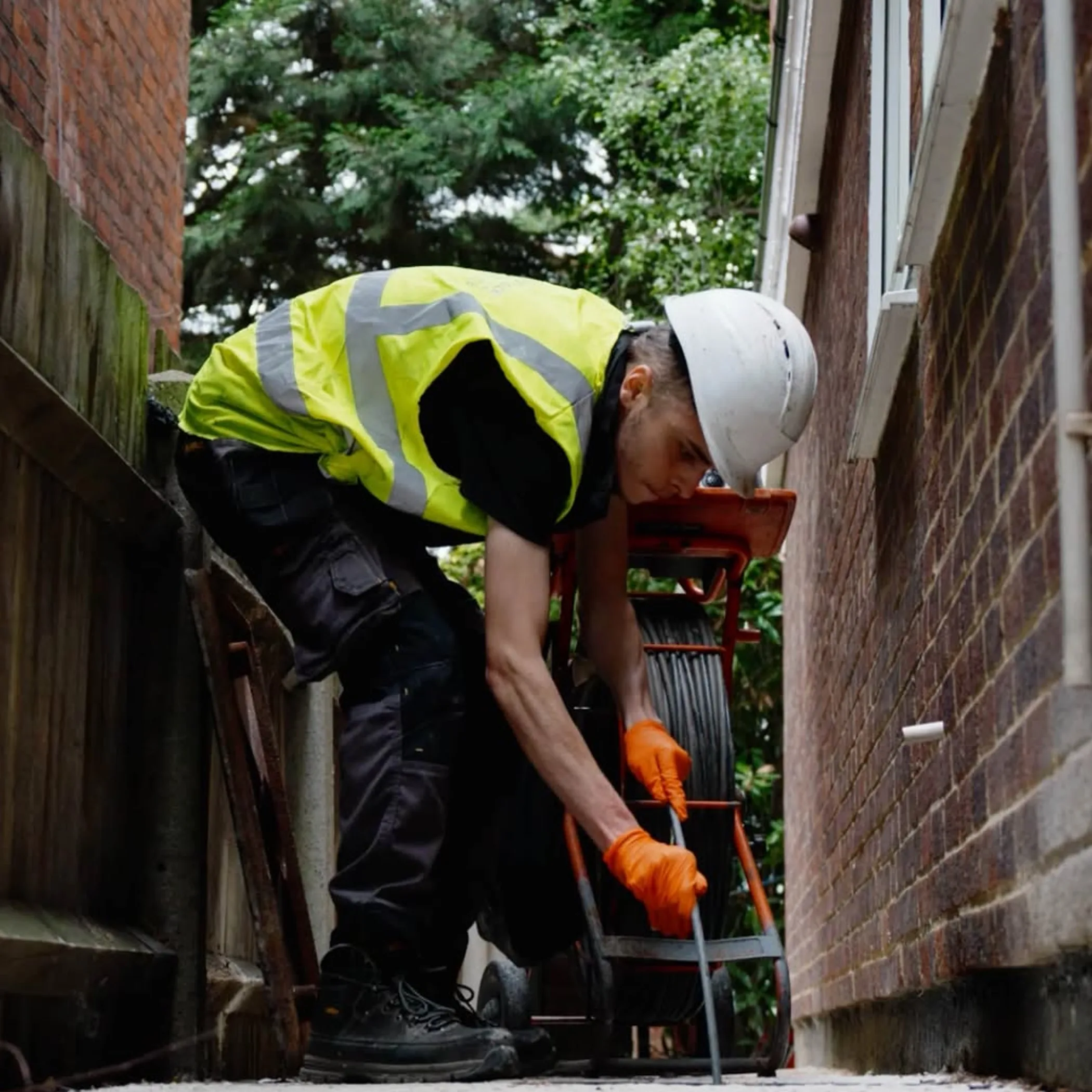
Make a routine you can live with. Not the kind of three-yearly exercise that has you full of confidence one minute and with a sore back and a wobbly ladder and a half bucket of sludge the next. I would put it to you that drains are like tyres on a road trip: they are of no interest until they go and then they occupy your entire day. A yearly rhythm is preferable to letting trouble find you.
Tools And Safety
You are not going to want a ute full of equipment. A decent pair of gloves, a bucket, hose with a trigger nozzle, screwdriver for the grates, a torch, some eye protection and a plumber’s snake for anything in the way will see you through at most houses. Unless you have a roof that is steep or over a storey high and rough as guts when it is wet, in which case leave it to a licensed gutter contractor or plumber.
The thing that gets people is access rather than the dirt itself. Unstable ladders, wasp nests you did not know were there, cracked grates or mud about the pits are more of a nuisance than the cleaning. With Safe Work requirements being what they are, use your common sense. There is no mixing DIY bravado with a wet roof.
Annual Maintenance Calendar
For an average property with its gutters and connected stormwater, the table below is a sound framework. Put it on the fridge or have it on your phone.
| Season | Main Focus | What To Check | Best For |
| Autumn | Leaf And Gutter Control | Gutters, valley trays, flashings, inlets and any corners with leaves | Keep winter at bay |
| Winter | Flow During Rain | Discharge from downpipes, any pooling by the foundation or soggy ground | Find out if there is a hidden failure |
| Spring | Clean And Flush | Get at silt and debris on outdoor grates, flush pipes, look for roots | A post-winter reset |
| Summer | Storm Readiness | ORG, pits, discharge points and the like | Prepare for the season |
Leaf Control In Autumn
Most of the drainage trouble you could have avoided begins in autumn. Roof grit, seed pods, twigs and leaves will accumulate without fuss until a bit of hard winter rain makes a plug of it. I have been around the older suburbs of Melbourne with their mature trees and seen it enough. From the street the place is fine, then an overfull corner gutter is putting water in the eaves or paving joints. Does not seem so bad till you get the bill.
Get On With The Gutters
This is the main event in autumn. Scoop or pick out the loose stuff and bag it, then run the hose to the downpipe to be sure of flow. If the water does not want to move, perhaps the fall is off or the outlet is clogged. Do not let valley trays and flashings be; these roof junctions are prone to holding leaf litter and will let water under the roofing if left to it. If you have jacarandas or gums in the vicinity, one clean in autumn may not be enough.
Downpipes
Do not just have a look up and think “all in order”. After you have hosed the gutter, make sure each downpipe is taking the flow. Put your ear to it and listen for a gurgle. Then have a look at the joints for any sign of a leak, rust on the bends or splash-back at the point the downpipe discharges into the stormwater system.
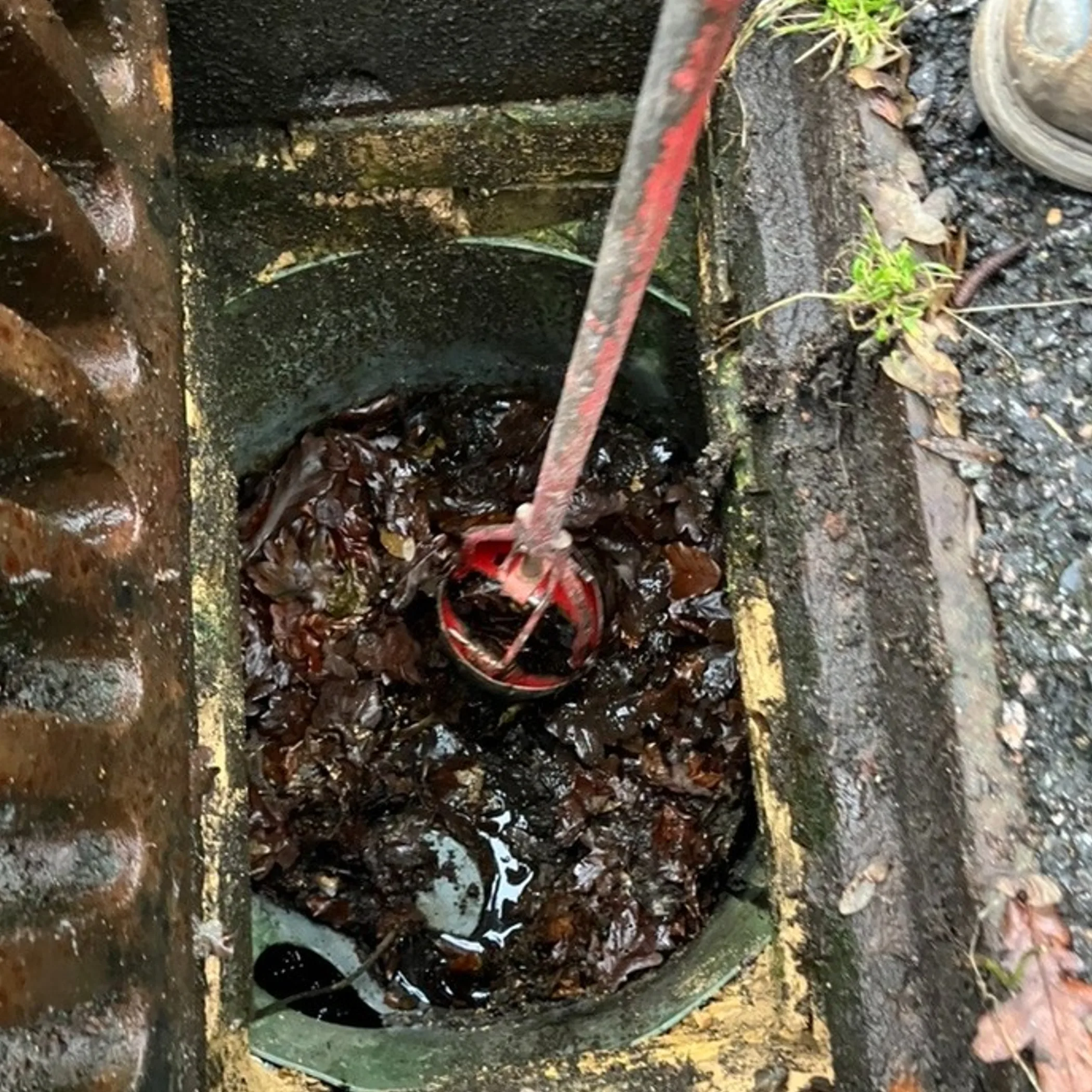
There is a difference in what owners expect and what they find. They will put the blockage down to the gutter when more often than not you will find it has made itself at home lower down, as a dark sludge of wet leaves at the first bend. A spot of autumn maintenance is the way to forestall drain problems before winter puts the system under strain.
Winter Reveals The Weak Spots
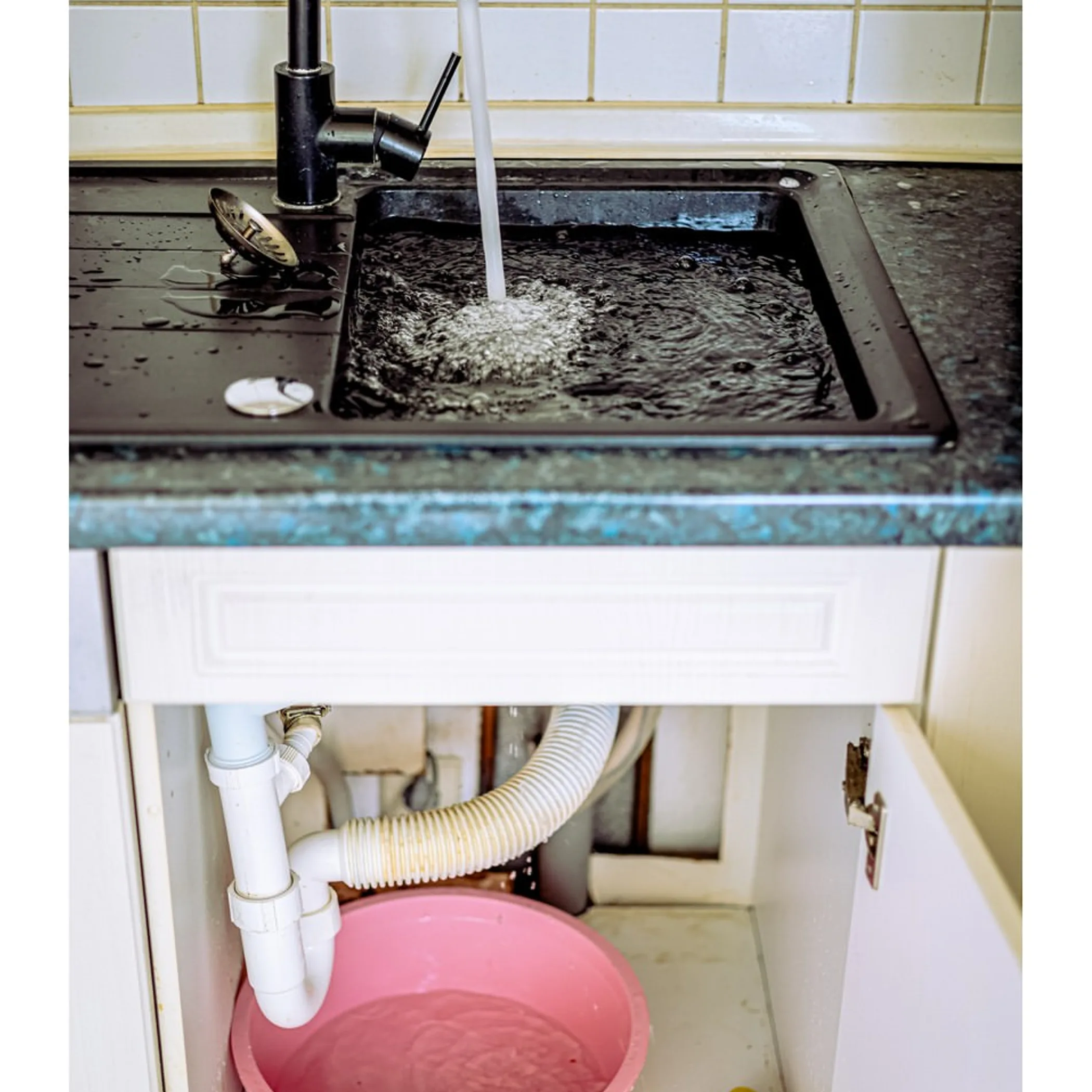
The season does not lie. Rain will tell you how the drainage is up to the task, generally at an inconvenient hour so there is no guessing about it.
Make it a point to do an inspection in the course of a steady rain or immediately in its wake. “Dry-weather inspections are all well and good but wet-weather ones are gold,” says Felix Radcliffe, to put it plainly.
Watch Water In Motion
Provided it is safe, take a slow walk of the property in the rain. You will see if gutters are running over or water is being thrown over an edge, if a downpipe joint is leaking, a pit is bubbling or there is stormwater encroaching on a wall or path; such things indicate where the restriction is.
See if there is pooling by the foundation, under subfloor vents or on the garage slab. It is not a place for water to make camp like a weary traveller, it should be moving off from the building. Should it persist, one can assume blocked drains, a lack of grading, compacted earth or a discharge that has failed further downstream.
The ORG
Few plumbing features on an Australian property are as neglected as the overflow relief gully. Its purpose is to put sewage outside the house, not in it, in the event of a sewer line blockage. It is to be kept visible and to hand, not hidden under pavers, mulch or whatever garden improvements have been put in.
Some homeowners cannot tell the difference between an ORG and a stormwater point but they are two different things. Have it seen to if the lid is below the soil level, sealed or in want of repair. Waste and water are indifferent to the landscaping budget.
As a reference, Your Home from the Australian Government, the Australian Government’s publication, is a sound authority on matters of home design and drainage in these parts.
Spring Is Your Reset
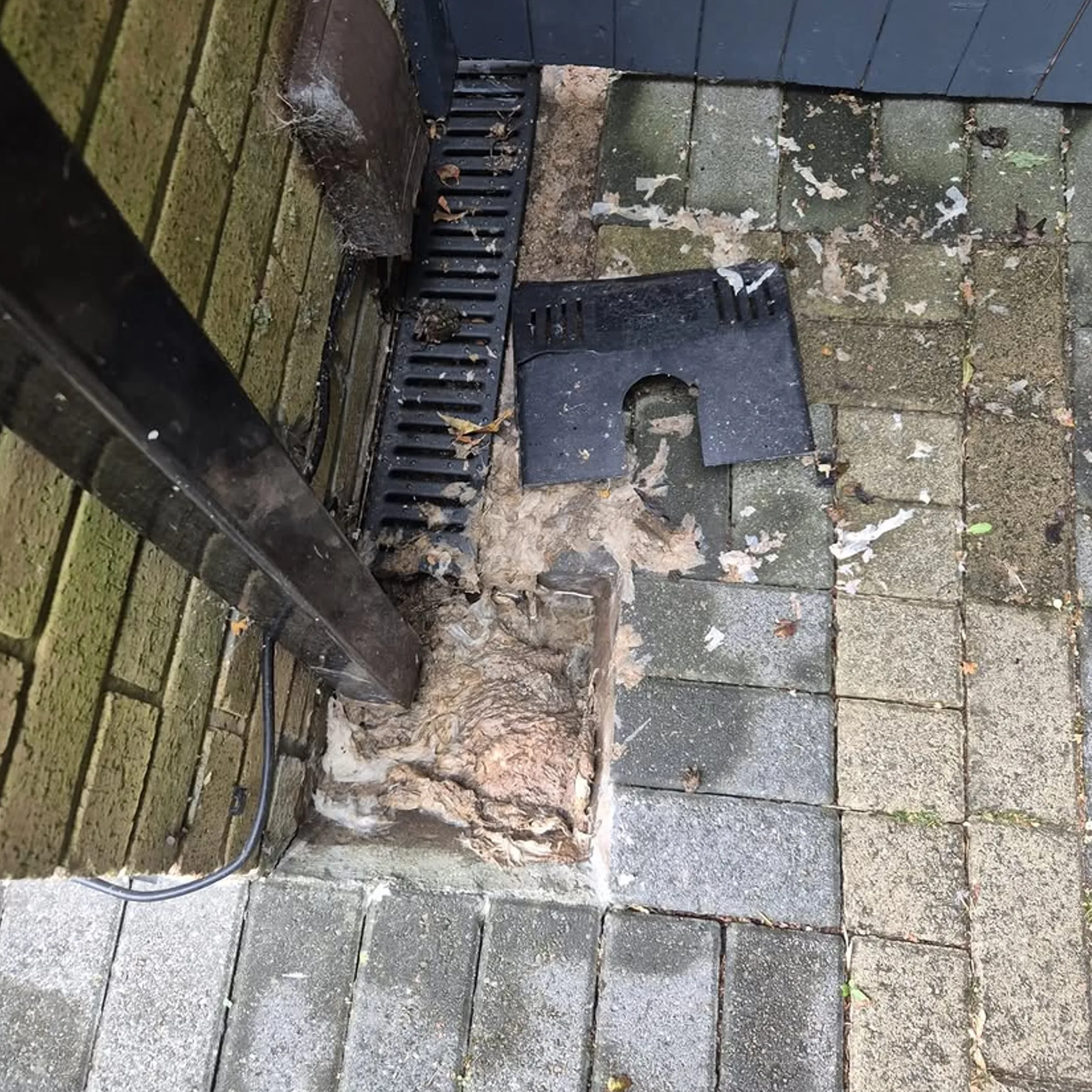
Autumn is for prevention, winter for diagnosis and spring is when you put capacity back. Winter will have left silt, debris and compacted grime in its wake which hardens in the shallows of a channel like concrete until you deal with it. Now is the time to put right the minor irritations before summer storms make something of them.
Flush Outdoor Drains
With drier and safer conditions, you can get at the residue of winter and flush the outdoor drains. Take the grates off and clear any sediment you can see, then put a hose to it to check the flow, but start easy. If the water comes back at you, leave it and have a look rather than driving the obstruction in further.
A hose will do enough for a light build-up in an accessible stormwater line but do not imagine tree roots or an offset joint are going to vanish with some coaxing. Deeper trouble calls for a professional CCTV inspection.
Root Trouble
In older suburbs with mature gardens you will come across root intrusion in pipes. They do not require an opening to make their way in, a fine crack or joint is enough for them to ensnare wipes and leaf matter and bring the flow to a halt.
One is inclined to put a sluggish drain to hair or grease but outdoors it is as likely to be roots, silt, broken pipe or leaf sludge. Repeated clogging after a rain, a drain that is only briefly clear, or an uncharacteristically verdant patch of lawn are all indicators.
Summer Is Storm Prep Time
It is not merely the heat to contend with in Australia, there are intense local storms and flash rainfall to be had, and cyclone risk in the north. So storm season prep has a place on the calendar even if your drains were well behaved in the spring.
Felix Radcliffe would have it that if the forecast is for heavy rain the property ought to be ready. To be doing emergency work on the gutters while the thunder is about your ears is a mugs’ game.
Overflow Paths
When capacity is stretched every property must have a way for the water to go. See where it will end up if the grates back up or the gutters and pits are overtopped. Excess water is best directed away from habitable rooms, doors and vents.
Give the outdoor grates, surface channels and pit lids a good test. Check that water is not being channeled into the house by way of garden edging, pot plants, loose mulch or furniture. It is elementary stuff yet one is often taken aback by it, particularly in the wake of a tidy garden make-over.
Preparing Northern Properties
In the Top End, Far North Queensland and those parts of WA where cyclones are a fact of life, you have to be more rigorous about storm readiness for the season. Do your cleaning and inspections sooner and put the discharge points through their paces before the wet season is upon you. A property may present as flat as a pancake but have abysmal drainage on account of an outlet clogged with mud and grass.
Those running a rental or holiday home would do well to factor in some lead time; booking trades is no easy matter when a big storm is in the offing. To put off any preparation until the first real event is akin to putting bald tyres on and heading up the Stuart Highway with luck on your side.
The Usual Troublemakers
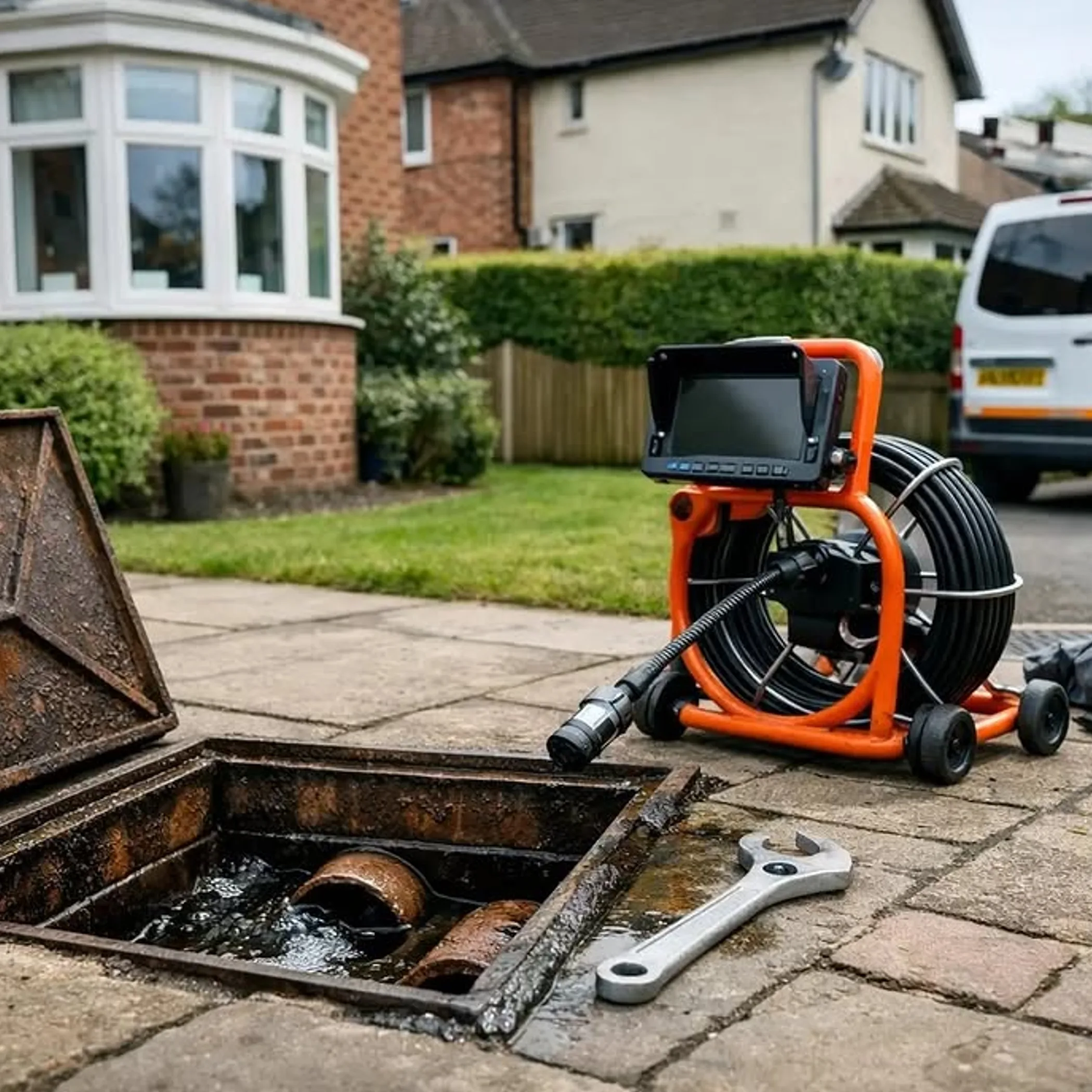
You will find drain problems to be a breed of repetition. Get to know the patterns and you can forestall the next one. Felix Radcliffe would have you take a practical view: there is no need to be preoccupied with every stain or drip, but make no mistake about what tends to go wrong on an Australian home with its tiled roofs, trees and over-zealous garden beds and old stormwater systems.
- Things like leaf litter and seed pods in the gutters and sumps;
- silt from landscaping or rain in the pits;
- downpipe inlets and connections that are blocked;
- roots from an established tree or shrub making their way into pipes;
- a grate that has cracked or paving that has sunk;
- ORG points that are damaged or hidden;
- and valley trays and flashings that have been left to their own devices.
Unitywater, PowerWater and Tweed Shire Council are among the entities with area-specific details on how stormwater behaves and who is responsible for what. Local councils and utilities will have guidance for regional conditions too. Home Integrity is a name you will hear in property circles, but if rules and responsibilities are at stake, verify the advice with a licensed trade or an official source in Australia.
DIY done right
There is much you can handle and much you should leave alone. An intelligent DIY approach will put money back in your pocket, keep things moving and put you on to larger faults in short order. The art of it is to tell when maintenance is turning into diagnosis and when you are in specialist territory. Radcliffe is for a practical job but not for making a regret out of a simple clean and a broken pipe.
Techniques
Remove what you can reach by hand and after the solids are gone, hose out the sediment in shallow pits. Test the flow. A drain snake will deal with an obstruction near the surface but do not be heavy handed; forcing your tools into pipework you do not know can compact a blockage or ruin a joint.
Your checklist for drain cleaning ought to cover the ORG, all downpipes and visible gutters, external grates, discharge points and any paved low spot or place where water has a habit of ponding. Make a note of it with some photos, they come in useful for tracking and if a plumber wants to see what was there before the deluge.
Leave well enough alone
Do not resort to chemicals in an outdoor drain and let science have its way. Some of them are ineffectual against roots and sediment and can be hard on the garden and the pipe. Do not get on a roof when it is wet, do not pressure blast unless you know the condition of the pipe and do not put a cap on a gully because it has an odour for an afternoon.
One day’s work? Then make it count with the high risk areas: the front and rear gutters, any problematic downpipes, the ORG and a pit by the garage or entry door. It is a sound triage plan if not a complete overhaul.
When to call in a professional

A licence and the right equipment are called for with certain matters. You do not tackle sinkholes, sewage smells, water from ground-level drains or a collapsed pipe on a weekend. This holds even more so for an older property with a lot of trees and reactive soil, or where past renovations have left the drainage in question. To be frank, when you are at a loss as to where the line is, put down the tools and get in with someone who has the expertise.
When DIY Is No Longer an Option
There are some tell-tale signs you should leave it to a licensed plumber or drain specialist: water that is quick to back up in the rain, more than one fixture giving trouble, an Overflow Relief Gully (ORG) that has done its job, or the like of root intrusion in your pipes. A professional will have the means to do a CCTV inspection or jetting to put a finger on the fault without all the superfluous digging.
Costs are a moving target and will depend on the region and how pressing the matter is. By way of a general indication, you might be looking at the low hundreds of AUD for a simple call-out; add in excavation, jetting or a CCTV run and the figure can go up a good deal given the access and damage involved. Make sure to have a quote in writing.
The Intended Audience
We have put together this guide for the hands-on occupant, the landlord or owner in search of a no-nonsense approach to drain maintenance that does not make a production out of the backyard. It is equally useful for those putting a home on the market and wishing to put right the high-value essentials instead of parting with cash on pre-sale work that is of no account.
Then again, if you are a novice and the roof is steep, or have any mobility concerns with ladders, or the property has a record of overflows and sewer faults, this is not for you. In such instances, book the tradie and save the heroics.
Frequently Asked Questions
You will see these questions after the first sales inspector has made a note on the drainage, or the first time a wall has gone soggy.
What is the one maintenance task most people overlook?
Routine care of the drains and gutters for a lot of Australian properties. Taps and paint and a tile with a crack in it draw the eye; blocked grates and a clogged downpipe or ORG point are apt to be ignored until the rain comes hard.
Selling a house in Australia? What to avoid fixing?
Any cosmetic changes to the drainage if what you have is an underground or structural issue. The buyer is not going to be won over by some nice gravel and pot plants in the face of pooling or stormwater overflow. Put your money into the function: safety, discharge and flow.
A top ten for preventive maintenance?
Here is a practical list: have a look at the gutters and valleys, test the downpipes, give the outdoor drains a flush and the pits a clean, inspect the ORG and see how the rain runs. Check around the foundation for any pooling and trim back planting near the lines that is prone to root problems. Put photos on file of any issues. This is a system, not something to do once and be done with.
What belongs on a maintenance checklist?
Gutter and downpipe upkeep, testing the stormwater, an eye on the valley trays and flashings, checking the garden levels off the walls and making sure the downpipes are discharging safely. You may want to put in for a pipe flush at times. Do not forget regional checks in the event of cyclones or heavy rain.
How often to check the outdoor drains?
Seasonally at the very least and in the wake of a big storm. If you have large trees about or loose soil, you may find cause to do so more often. The pattern is what counts, not the calendar. Should a grate clog every other storm, consider it a trouble spot and act accordingly.
In the end
Do not let emergency repairs win out over seasonal maintenance. Some gutter work in autumn, a check of the flow in winter, a spring clean and a scan for storm-readiness in summer will spare the household from much of the mess that is par for the course here in Australia.
Felix Radcliffe would put it in unglamorous terms: keep the water on the move and the overflow points in view. Do not be put off by small things that seem of no consequence when it is dry. Like many a system in the home, a drain will be fine until it is not.
- Autumn: leaves and silt out of the gutters, downpipes checked.
- Winter: put it to the test in the rain, be on the lookout for pooling.
- Spring: roots, silt and clogged grates must be dealt with, flush the lines.
- Summer: make sure the ORG is in order and the overflow routes are clear ahead of storms.
