For the most part, hot water system safety standards throughout Australian states are underpinned by a national framework. Yet it is in the state plumbing laws, licensing and the like that you will find the finer details of local compliance. Put simply, Australia’s position is that hot water must be stored at a temperature to mitigate Legionella and then put out at something more tolerable for personal hygiene fixtures; licensed trades install the system and the products have to have the proper approvals.
I am Felix Radcliffe. For those who would have the short version before we get into it: the National Construction Code (NCC), Plumbing Code of Australia and AS/NZS 3500.4 form the backbone, with state and territory regulators seeing to the enforcement on a day-to-day basis. In a typical home this translates to a 60°C mark for storage and a 50°C cap at the tap in the bathroom, with 45°C being the limit in some higher-risk environments.
The National Rules
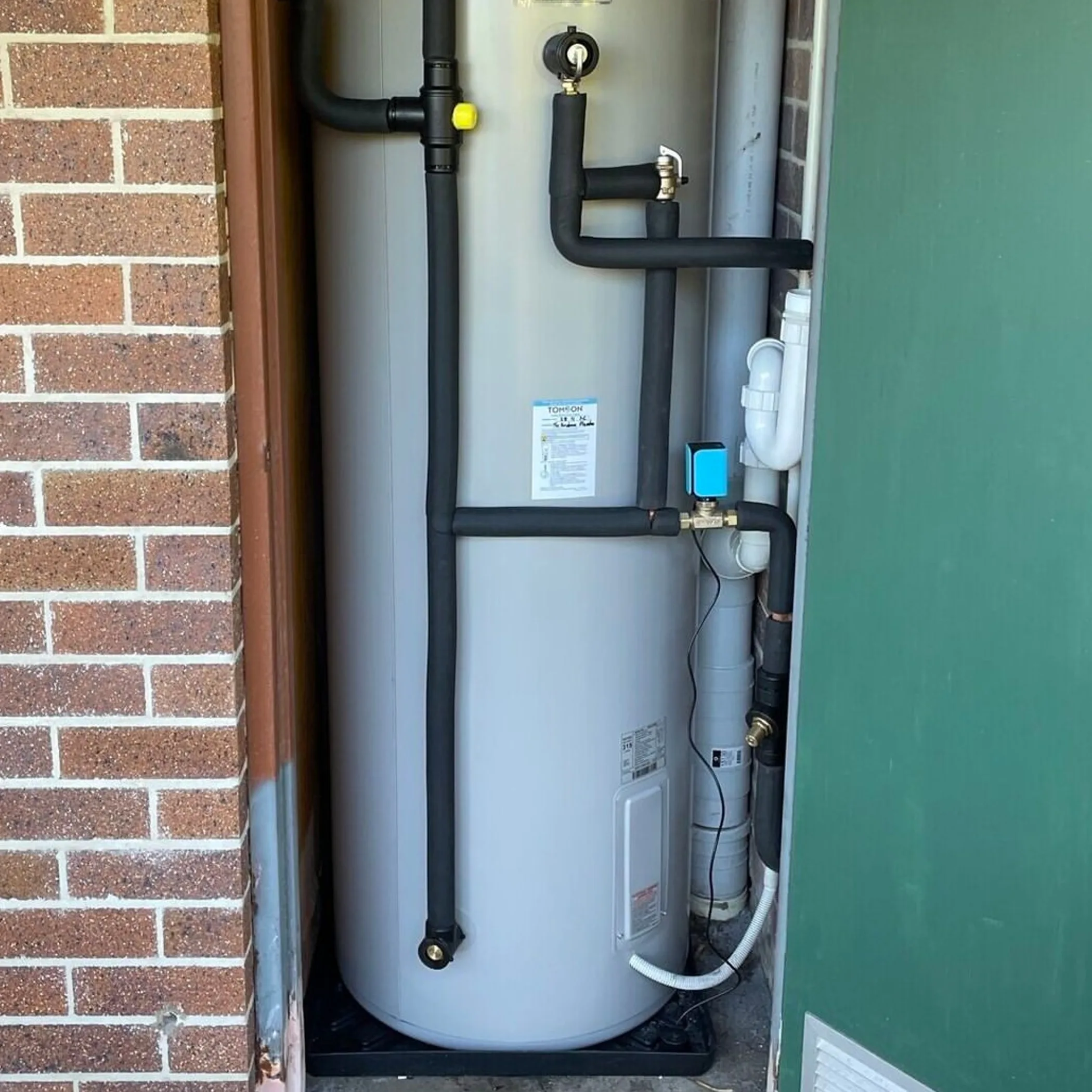
You do not have to contend with eight disparate rule books cobbled together. There is a common national framework to work from for householders, plumbers and builders alike, and only after that do the state-level differences come into play.
One has to look at the National Construction Code (NCC), the Plumbing Code of Australia and AS/NZS 3500.4 for heated water services. For those interested in the recent Victorian plumbing updates, it’s essential to stay informed on the latest standards. On the gas side of things, AS/NZS 5601 is relevant for any installation matters. And if a fitting or valve is to be put in place in accordance with the law, WaterMark certification is essential.
What the Standards Are For
In a way these rules are an exercise in managing two opposing concerns. The water in storage has to be hot enough to stave off microbial growth such as Legionella, yet controls are needed on delivery to avoid burn injuries.
Consequently the standards make a distinction between product approval, installation and the temperature of what is put out versus what is put away. It may not be glamorous but it is sensible. As with a ferry timetable when the weather is up, it is the unexciting parts that keep you from trouble.
Temperatures Worth Knowing
People will often half-remember the figures and put them about at a barbecue in the wrong order. Do not think the rule is to set everything at 50°C. The idea is to have hotter storage and safer delivery.
Most storage systems will have 60°C as the benchmark in the vessel, whereas a home bathroom outlet is usually restricted to 50°C. You will see a lower 45°C ceiling at facilities where children or patients are present.
Storage and Delivery
There is a difference between a tank set to 60°C and what comes out of the shower, thanks to a tempering valve or thermostatic mixing valve putting some cold in with the hot. That is a point of order. One should not check a single temperature and be satisfied the system is compliant. An installer might say “the tank is 60°C, no worries” but that does not tell the whole tale. You want to know the temperature of the tank, the outlet in the bathroom and the device in control of it.
| Safety Issue | Typical Requirement | Why It Matters |
| Storage tank temperature | 60°C in many a storage system | To put the risk of bacterial growth like Legionella down |
| Bathroom outlet | 50°C at most in residential homes | Mitigates the chance of scalding |
| Outlets in high-risk facilities | A 45°C maximum in care settings | Vulnerable users are better protected |
| Temperature control | A tempering or thermostatic mixing valve | For a safer delivery temperature |
Certifications
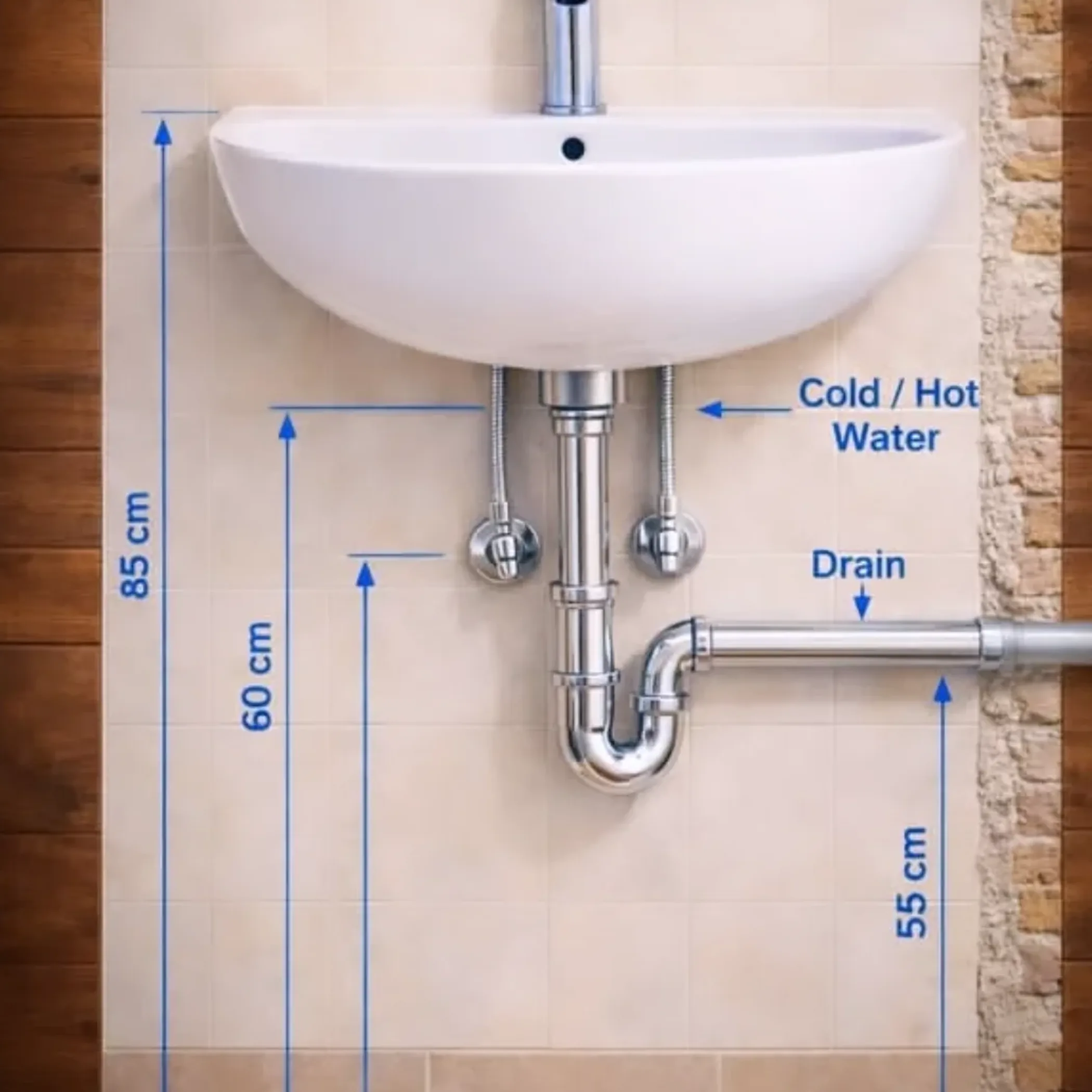
If the temperatures are the headline, then certification is the one at the gate with the ticket book. A unit can be all right in appearance but without the go ahead for Australian installation there will be problems with your warranty and insurance to boot.
Make sure you are familiar with WaterMark and MEPS hot water systems. WaterMark is about the suitability and compliance of plumbing products. MEPS (Minimum Energy Performance Standards) is concerned with energy efficiency on regulated products.
WaterMark in practice
WaterMark certification means a product has been put through its paces to ensure it meets Australian drainage and plumbing rules. The onus is on the householder to put a practical question to the installer: have him or her point out the product approval information for the system and any major valves or components.
Then there is the matter of MEPS hot water systems. While these are an energy performance issue, not a means of scald protection per se, they should be factored into the decision when one is in the market for a replacement. One can be too enamoured with the purchase price on a job and find that the running costs exact their toll over the years; in my experience the cheap way of doing things has a habit of becoming more costly than a flat white in Brunswick.
State Differences Made Clear
You will find some local colour in what is otherwise a broad national accord. The basics are the same from one end of Australia to the other, but licensing, enforcement, notifications and the like are left to the discretion of each state or territory regulator.
So when you put Victoria up against NSW, WA or QLD in terms of hot water regulations, consider them variations of a theme and not entirely different pieces of music. National standards, local administration.
A Snapshot by State
The following table is intended as a working guide for householders prior to an installation or replacement, not an exercise in legal theatre. It will show what is in line nationally and what needs a local check.
| State Or Territory | Shared National Base | What Commonly Differs | Regulator Focus |
| Victoria | NCC, AS/NZS 3500.4, Plumbing Code of Australia | Gas transition policy, the plumbing compliance process and licensing | Victorian Building Authority, Planning Victoria, Building and Plumbing Commission (Victoria) |
| New South Wales | NCC, AS/NZS 3500.4, Plumbing Code of Australia | Licensing and how local compliance is overseen | State and local plumbing enforcement |
| Queensland | NCC, AS/NZS 3500.4, Plumbing Code of Australia | Processes with the local authority and licensed installation | State plumbing regulator and local government |
| Western Australia | NCC, AS/NZS 3500.4, Plumbing Code of Australia | The framework for plumbing administration and approval | State oversight |
| Other States And Territories | NCC, AS/NZS 3500.4, Plumbing Code of Australia | Inspection and compliance paperwork, notices, licensing classes | Local plumbing regulator |
Make no mistake, an installation that is compliant in one state does not mean it can be replicated in another without due diligence as to the notification and licensing. The temperature controls may be the same but the paperwork will not be.
Victoria
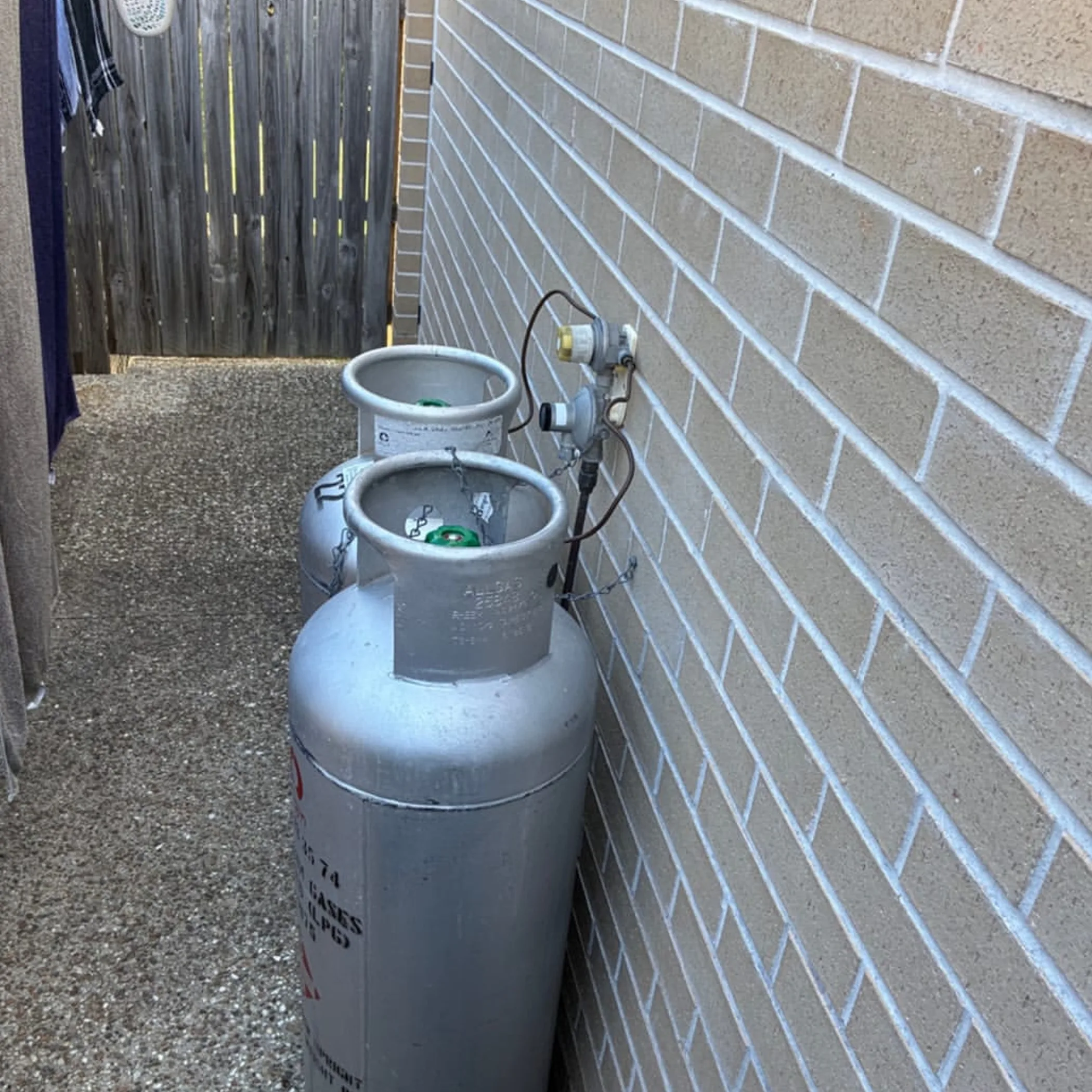
There are extra watchpoints in Victoria which warrant separate mention given its mix of standard safety rules and a policy climate on gas and energy that does not stand still. Do not simply ask what will fit if you are putting in a new system, but what your site conditions and the authorities will permit, and what is future-proof.
Some will hear talk of the Victorian Gas Substitution Roadmap and conclude that gas hot water is off limits come Monday morning. In truth it is not so cut and dried. For major upgrades and new works you have to take account of building rules and planning settings as well as the policy direction.
In Victoria today one has to deal with the Victorian Building Authority and the Building and Plumbing Commission (Victoria), not to mention Planning Victoria and the sort of policy discussion that comes with the Gas Substitution Roadmap (Victoria). Read the latest updates and do not assume they apply in kind to every property; see if the change is relevant to gas work, energy efficiency or new homes.
Homeowners might fancy a same-day swap with no bother, but the reality is not quite so simple. A change in scope and cost can be had from tempering valve upgrades, drainage, flueing, pipe sizing and switchboard capacity.
Who is to do the work
You will not want to make a DIY project of this. There is a lot of trouble in a single cylinder when you factor in the pressure, heat and plumbing, and in some cases gas or high-load electrics.
In practice, a licensed plumber hot water installation is the only lawful way to go. Should the unit be gas or require an electrical connection then the state rules may dictate a licensed gasfitter or electrician as well.
What to put to the installer
Get his licence number and trade class. Have him specify the model and whether it is storage, continuous flow, heat pump, electric or gas. You should also have in writing that the installation is in accordance with the Plumbing Code of Australia and AS/NZS 3500.4, and for a gas appliance, that it complies with AS/NZS 5601 where it should.
Request details on:
- Installer licence number and trade class
- System type: storage, continuous flow, heat pump, electric or gas
- Planned temperature control device: tempering valve or thermostatic mixing valve
- Expected outlet temperatures at bathrooms and kitchen
- Compliance certificate, notice or equivalent state paperwork
- Warranty details and maintenance intervals
The cheapest quote is what will trip people up if they are under the impression it is comprehensive as far as compliance goes. In some cases it is nothing more than a box on the wall and does not account for any work on the flueing, electrical supply, drains, trays or valves. Make sure to put to the supplier what is left out.
Better Protection for Vulnerable Users
Consequences from an over-heated tap can be of a different order in certain environments, hence the need for more exacting controls. An adult in good health will put his hand back in a trice; a patient, an elderly resident or a child will not.
You will find outlet limits are kept strict, 45°C or so for sanitary ware, in healthcare, childcare and aged care for that reason. The performance of a thermostatic mixing valve in terms of temperature control makes it the choice, or indeed a requirement, for some applications in such settings.
Good Intentions Are Not Enough in High-Risk Facilities
For the manager of a facility, hot water is a safety system to be tended to, not an appliance you set and forget. Valves have a way of drifting and systems get old; one outlet put of adjustment is a scald hazard in waiting, so record-keeping and maintenance are important.
Then there is Legionella. According to the Australian Government Department of Health, Disability and Ageing, Legionella can cause serious illness, so one cannot simply put balancing microbial control and safe temperatures down to housekeeping. It is a matter of public health and explains the particularity of the rules.
To Go With Gas Or Electric
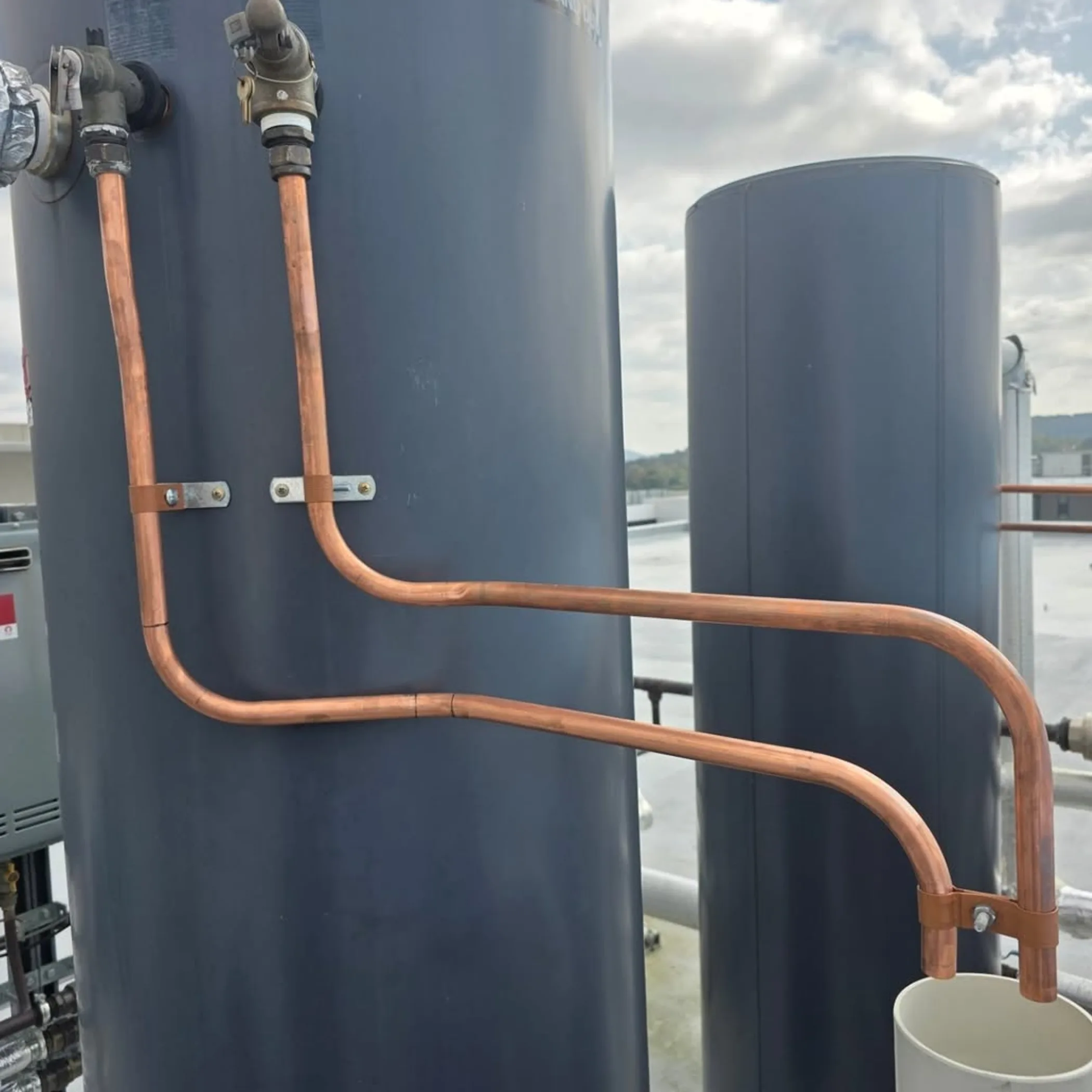
Australia’s homes do not all lend themselves to one “best” system. What is right for you comes down to the size of the household, your state’s policy, how much room there is, peak demand, the roof for solar, incoming services, climate and budget.
But the nature of the discussion has changed. Gas vs electric hot water regulations are now in the same breath as energy costs and the move towards electrification. Victoria in particular has seen its policy make owners of gas units consider the price of an electric or heat pump before they go to replace it.
Some Practical Considerations
An efficient heat pump or electric system is sensible for a small home with adequate electrical capacity, particularly if one has concerns about gas supply being curtailed. Where the local rules and conditions allow, a continuous flow gas setup can be as practical for a high-demand property already configured for it.
Comparing on sticker price is where most err. There is the cost of purchase and running, the complexity of installation, noise from some heat pumps, recovery time and where the property is heading in the long run. A MEPS compliant star rating is only half the tale; it does not indicate if the unit is a fit for the way you live.
Compliance: Look at This Before You Part With Your Money
I would like to see more people peruse this before their system gives out on a cold Sunday. When the hot water runs out urgency sets in and corners are cut.
Take away this from the article if nothing else: by compliance we mean product approval, the correct paperwork for the state, safe temperatures, discharge and installation done properly, not just that the water is hot.
A Checklist for the Owner
Not a substitute for an inspection but this should prevent the more glaring oversights prior to final payment or sign-off.
- Make certain the installer has the proper licence.
- See that the model and its components are approved for use in Australia.
- Have the installer show you how he verified the storage tank temperature.
- At the bathroom tap, ask what the outlet temperature is and if it has been put to the test.
- Find out if a tempering or thermostatic mixing valve has been put in or replaced.
- And secure whatever certificate or notice your state demands.
Should you have a day to effect a replacement, the licence, the paperwork and the temperature settings are what to focus on. Legal and safety outcomes are determined by these things more than anything.
Spotting Common Problems Early
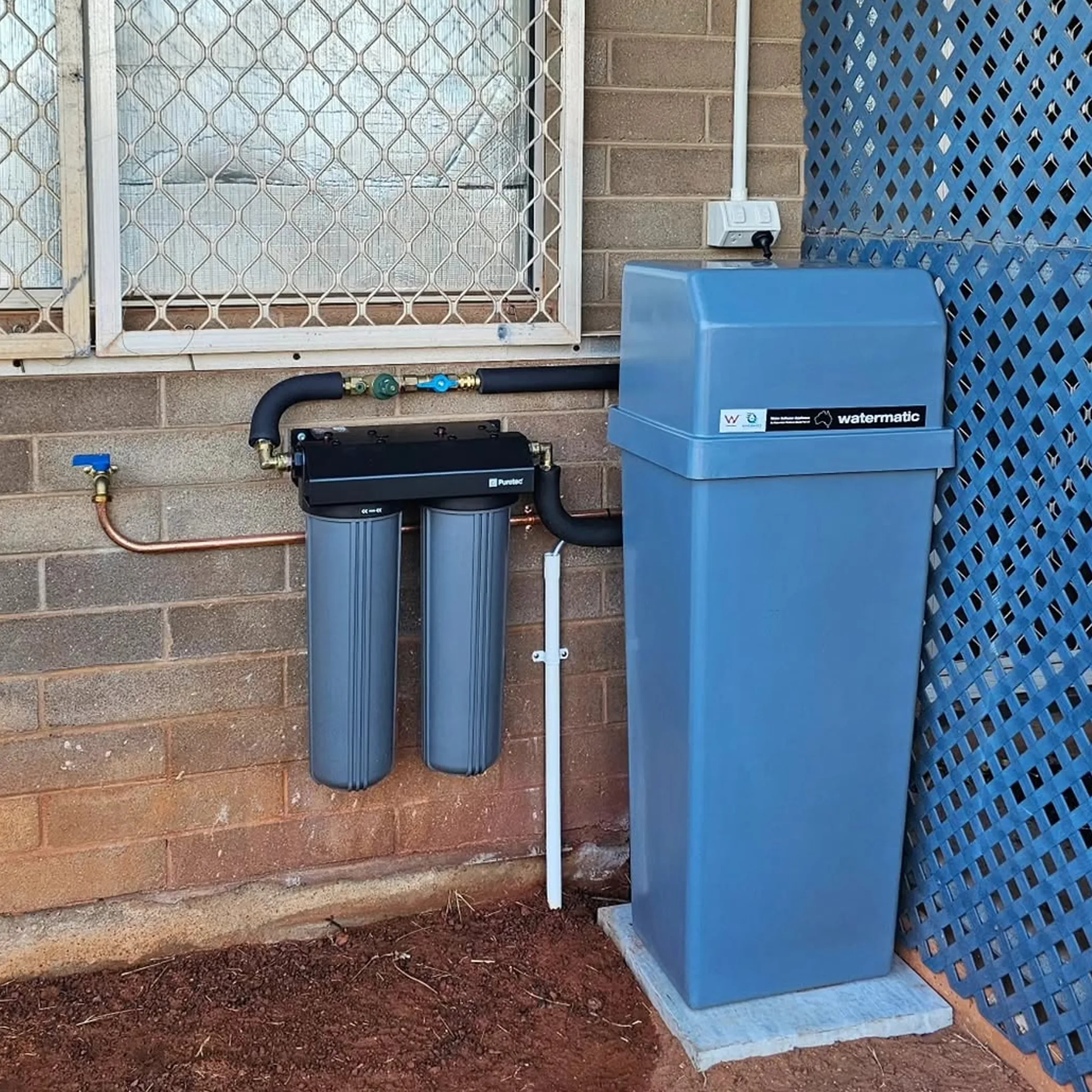
For the most part non-compliance is not a spectacle. It is a matter of small oversights that add up: a valve out of position, an absence of paperwork or testing, or one left to temper because the cost of a new one was not worth it.
You will find the same thing time and again in my work photographing maintenance and trades for clients’ edification. The unit on show is what is noticed, not the control gear or the documentation. And yet safety is to be found in those unobtrusive details.
Mistakes That Have A Way of Recurring
One is to conflate the rules for a kitchen sink with what applies to bathroom sanitary fixtures. Or take a new heater and make the assumption that the old temperature control valve is as good as new. It is not always so; valves have their service life and some older installations do not stand up to present day standards when you come to put in a replacement.
Then there is the folly of ordering online without due diligence as to Australian approvals and compatibility. A system that is a bargain on paper but has no certification to lawfully install, or will not put up with local pressure, is just dead money and trouble.
Some Practical Advice For The Australian Homeowner
To put it in a line: adhere to the national framework and then see to the state’s local requirements prior to installation. In Australia having hot water that is safe means you use licensed trades and compliant products to get the right balance of lower delivery temperatures and the heat required for hygiene.
Felix Radcliffe would say to approach hot water as one does brakes or wiring. No need to make a hobby of the standards, but better questions are in order. Put the licence, the paperwork, the valve and the temperatures to the test and you can sidestep the kind of rough-as-guts issues that trip people up.
Frequently Asked Questions
Once the jargon is in full flow and the quotes are in hand, these are the sorts of questions that get asked.
Australian Standards For Hot Water Systems?
The National Construction Code (NCC) and the Plumbing Code of Australia form the bulk of the framework, along with AS/NZS 3500.4 for heated water services and AS/NZS 5601 in the case of gas. WaterMark certification is likewise important for product approval on any plumbing that is to be compliant.
Installing A System In Queensland?
Queensland installations must follow the national technical rules, including the NCC and Plumbing Code, while also meeting Queensland licensing and local compliance requirements. In practice, use a properly licensed installer, ensure the system and valves are approved, and confirm the delivery temperatures at sanitary fixtures meet the applicable limits.
Is There A Best Hot Water System In Australia?
Not one that will suit every home. Your demand pattern, energy source, space and the running costs over the long term will dictate the best option. You should be comparing total installed cost and how suitable it is, whether it be a heat pump, storage, continuous flow, gas or electric, and not simply the price tag.
Water Safety Rules?
With heated water the rules are there to keep scalding and bacteria at bay. For many a storage system that is a question of putting the water in at 60°C and seeing to outlet temperatures of 50°C in the home, or 45°C where care is of a higher risk nature.
A Tempering Valve On A New System?
Residentially, in most cases yes, to keep bathroom outlets from going over the limit. Whether a thermostatic mixing valve is called for is a matter of the building and its fixtures and what the rules are in your state or facility type.
